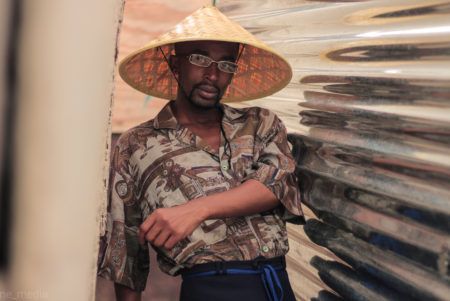
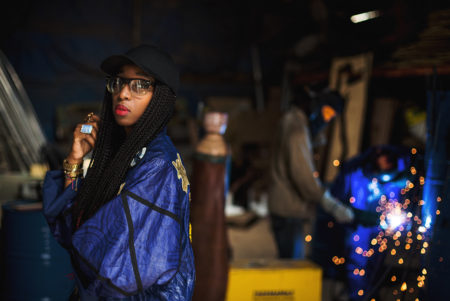
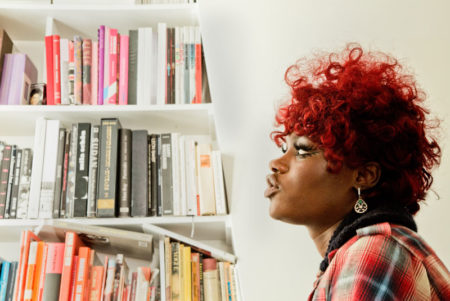
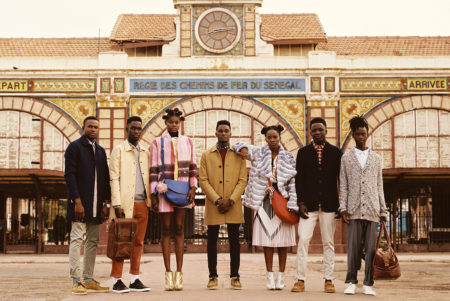
Read BBC’s article on the rapid population increase in Africa, where, at present, 3/5 of the population is under 25 years of age. The piece highlights the need to accompany this growth with quick financial developments and with the need to create opportunities for best practice.
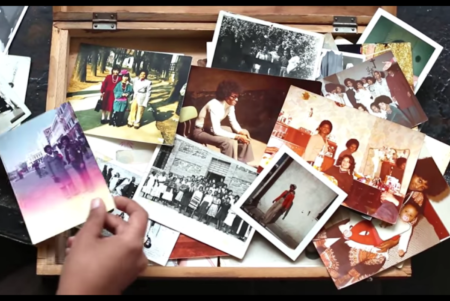
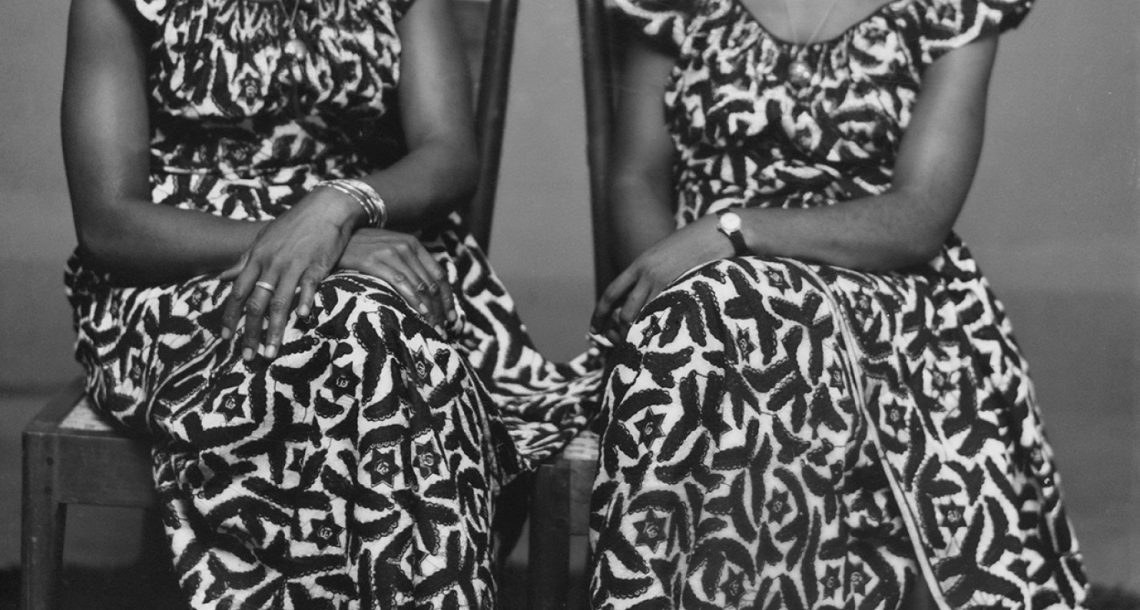
In September 2014, the Smithsonian’s National Museum of African Art launched an exhibition of the work of Nigerian photographer Solomon Osagie Alonge. Alonge (1911-1994) was the official photographer at the Royal Court of Benin, but he did not document only gatherings and rituals. He also ran a studio (opened in 1942) where he took pictures of up-and-coming Nigerians of the pre-and post-independence decades. Alonge’s portraits capture history …
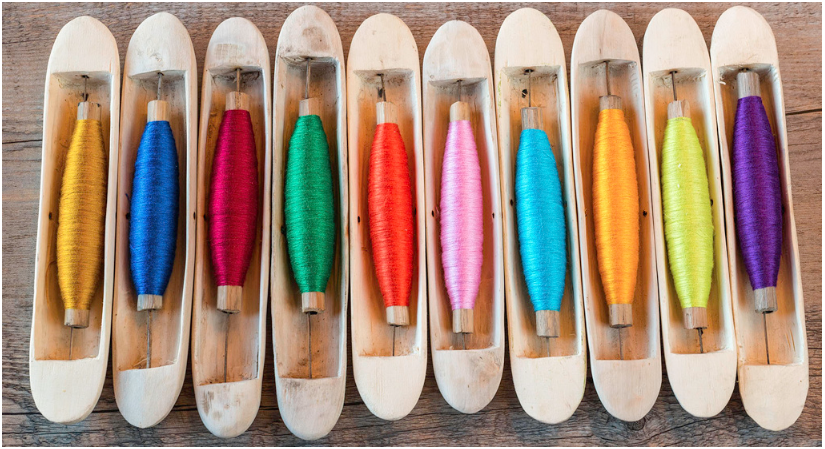
Another Africa published an article on kente weaving and heritage preservation in Ghana. Here are some excerpts: Zoo symbolism: “The mighty elephant is the emblem of successful leadership, suggested by such proverbs as “No one follows the elephant in the bush and gets wet from the morning dew.” While the crocodile’s connotations with invincibility and danger is apparent upon seeing …
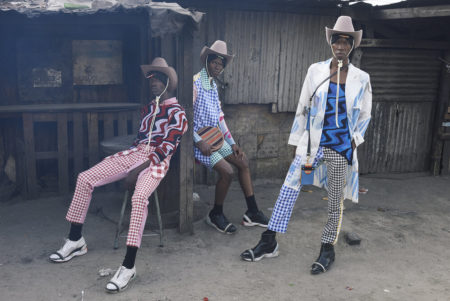
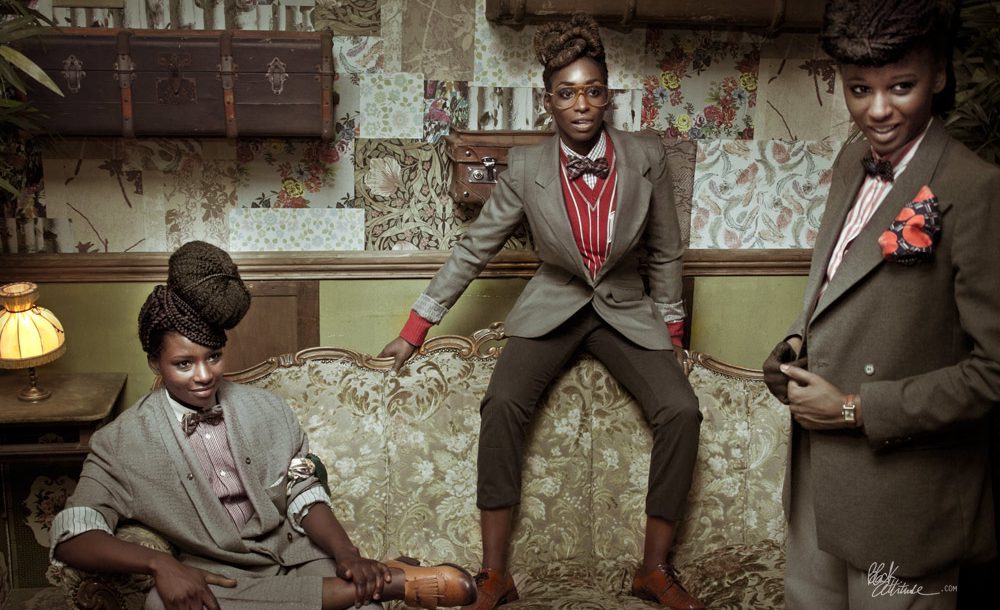
For 21st century Afrosartorialists, the suit is the material instantiation of exceptional cool. My newsfeed is filled with editorials and photostories that deploy the suit as the one garments that can fully magnify black empowerment and dynamism. It deconstructs symbolic abstractions that essentialize racial and ethnic identity, gluing Afro-diasporan blackness to positive visibility and diversity. An article in the Lens section of the New York Times celebrates …
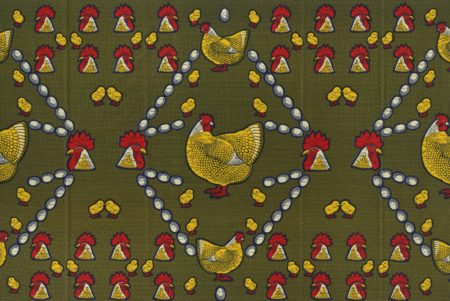
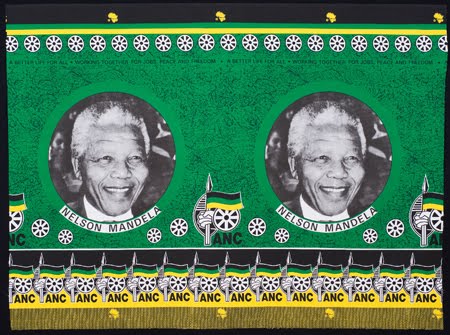
African textiles carry a huge signifying power and are routinely used to express statements about the self. In my posts about the West African ankara/wax and Kenyan kanga textiles I argue that design amplifies their currency within and beyond Africa. The semantic potential of their abstract or partially-abstract patterns make the textiles a versatile channel of cultural translation. The textiles are also worn to express political …
Last May, Florence hosted the annual edition of Black Portraitures, a convention that has already brought together some of the most eminent scholars of Africana and black visual studies in the world in five previous occasions. This year, the event focused on: “exploring the impulses, ideas, and techniques undergirding the production of self-representation and desire, and the exchange of the gaze from the …
On March 6th, 2015 Tumblr and other social media hosted the first BlackOutDay to counter the notion that beauty is a whites-only affair. According to a statement published in the official page of the movement, on BlackOutDay black users “like and reblog selfies of each other and fill our dashboards with encouragement”. Since then, the day has been made seasonal, with the second event taking …
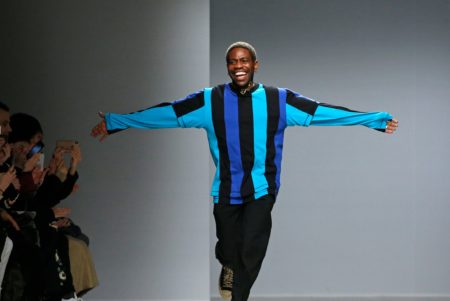
Here is an interview with Farai Simoyi, the Zimbabwean fashion designer who gained fame after working with Beyoncé.
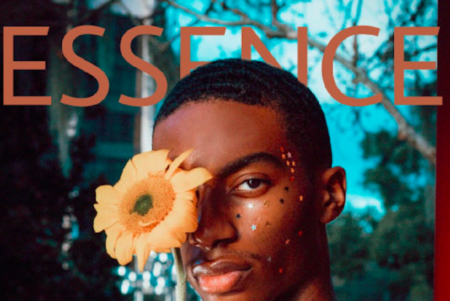
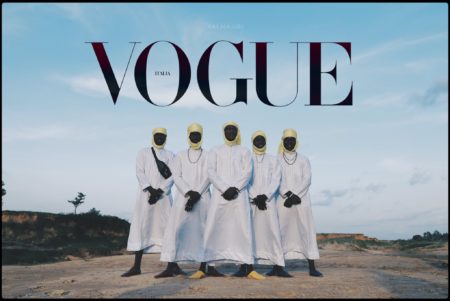
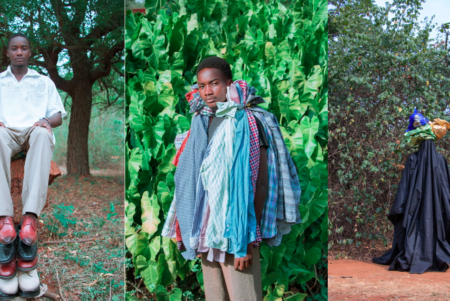
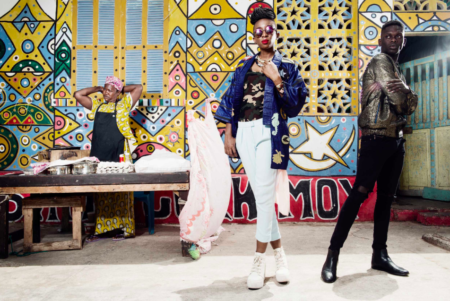
Recently Africans have taken to Twitter to spread a narrative of the continent that is all about self-empowerment and pan-African accomplishments using the hashtag #TheAfricaTheMediaNeverShowsYou. Given the nature of the platform, the message is conveyed most powerfully via images. Beauty, and more generally aesthetic, plays a big part in this reconfiguration of the global imaginary, as shown in the report posted in the Guardian. …
Order and read Lisa Lowe’s The Intimacies of Four Continents (Duke U.P., 2015) asap. In this uniquely interdisciplinary work, Lisa Lowe examines the relationships between Europe, Africa, Asia, and the Americas in the late eighteenth- and early nineteenth- centuries, exploring the links between colonialism, slavery, imperial trades and Western liberalism. Reading across archives, canons, and continents, Lowe connects the liberal narrative of …